

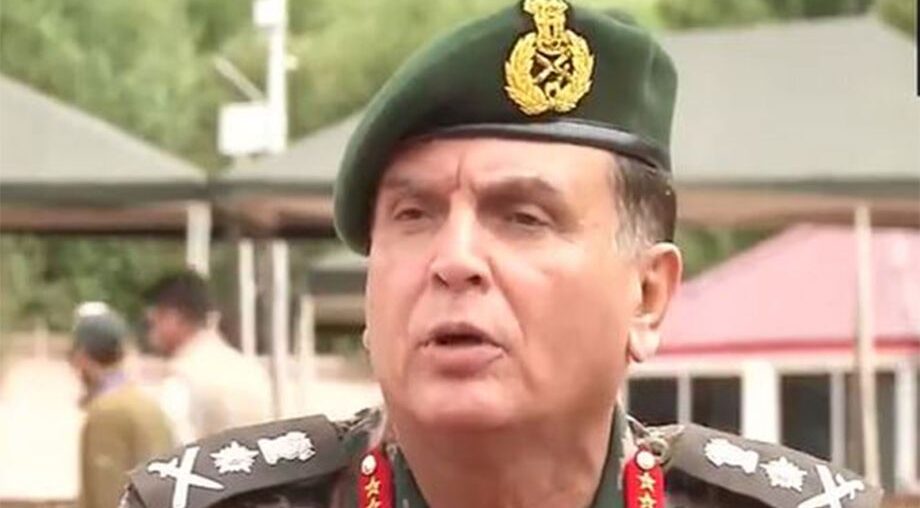
Indian Army Chief General Dhiraj Seth is visiting Russia for discussions aimed at strengthening defence cooperation and addressing key requirements related to Russian-origin military equipment used by the Indian Army. The visit comes at a time when India is seeking reliable supply chains for critical spares while simultaneously expanding indigenous defence production and modernisation.
General Seth is expected to hold talks with senior Russian military officials, including Russian Army Chief Colonel General Andrei Mordvichev. The discussions are likely to cover the availability of spare parts, maintenance and upgrades for existing platforms, as well as potential cooperation involving new defence systems. The visit is the first by an Indian Army chief to Russia since General Bipin Rawat’s visit in 2018.
A major issue on the agenda is the continued support of Russian-origin platforms operated by the Indian Army. Russian and Soviet-designed equipment remains an important component of India’s armoured and mechanised forces, making the timely availability of spares and maintenance support important for sustaining operational capability. The two sides have previously explored ways to improve supply chains and increase the production of defence components in India.
Air defence is another area receiving attention during the visit. Russia has reportedly offered systems such as the Pantsir-S1M, an upgraded short-range air-defence platform designed to counter a range of aerial threats. India is also pursuing indigenous air-defence solutions, including the Carrier Air Defence Tracked programme, creating a broader requirement to balance foreign technology with domestic development.
The Russian offer of the BMP-3 infantry fighting vehicle could also feature in discussions. The Indian Army operates a large fleet of BMP-2 infantry combat vehicles, while its Future Infantry Combat Vehicle programme is intended to modernise mechanised infantry capabilities. Any consideration of additional Russian platforms would therefore have to be viewed alongside India’s ongoing efforts to develop indigenous alternatives.
Future main battle tank requirements are another potential area of cooperation. India is working on the Future Ready Combat Vehicle programme to replace older T-72 and T-90 tanks over time. Russia has shown interest in offering next-generation armoured platforms and possible technology cooperation, although India’s long-term requirement also remains closely connected with its indigenous defence manufacturing plans.
The visit takes place against the wider backdrop of India’s continuing defence relationship with Russia. Moscow has been seeking deeper cooperation with India through joint production, technology transfer and partnerships with Indian defence companies. At the same time, New Delhi has been increasing its focus on domestic manufacturing and reducing dependence on imported defence equipment.
For the Indian Army, securing dependable support for existing Russian-origin systems remains an immediate requirement, while future procurement decisions will increasingly involve questions of indigenous production, technology transfer and long-term sustainment. General Seth’s Russia visit therefore brings both current equipment support and future land-force modernisation into focus.