


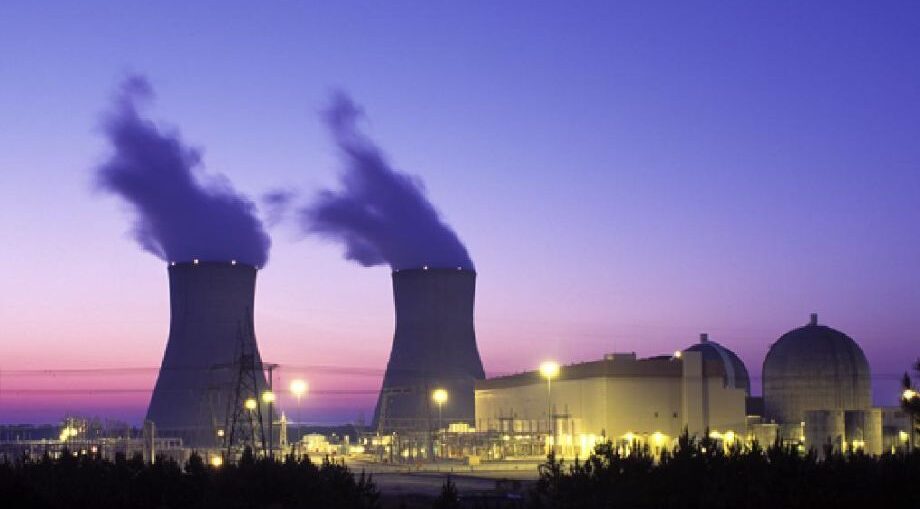
Türkiye and Canada have strengthened their nuclear energy partnership through a new agreement to assess the potential deployment of Canadian CANDU reactor technology in Türkiye. The agreement between Türkiye Nuclear Energy Corporation (TÜNAŞ) and Candu Energy Inc., a subsidiary of Canada’s AtkinsRéalis, will advance technical and commercial studies for a proposed nuclear power development.
The agreement was signed on November 12, 2026, during the 31st United Nations Climate Change Conference (COP31) in Antalya, Türkiye. TÜNAŞ General Manager Necati Yamaç and AtkinsRéalis Nuclear President Joe St. Julian signed the agreement in the presence of Turkish Energy and Natural Resources Minister Alparslan Bayraktar and Canada’s Environment Minister Julie Dabrusin. AtkinsRéalis President and CEO Ian L. Edwards also attended the ceremony.
The agreement covers feasibility studies and Front-End Engineering Design (FEED) activities to evaluate the suitability of CANDU technology for a potential nuclear power facility. The assessment will examine technical requirements, site conditions, infrastructure, environmental considerations, project costs and financing options.
According to Reuters, the two sides are discussing a potential six-unit nuclear power plant with an estimated capacity of 4.5 gigawatts (GW). However, the proposed configuration remains under consideration and has not been finalised through a construction or investment agreement.
The initial technical assessment is focused on Sinop, along Türkiye’s Black Sea coast, where the government has been considering another nuclear power development. The studies will help determine the suitability of the location and the technical and economic requirements for the proposed facility.
The cooperation will also explore opportunities for Turkish companies to participate in the project’s supply chain. Local manufacturing, engineering capabilities, workforce development and technology cooperation are expected to be important elements of the assessment.
CANDU technology, developed in Canada, uses heavy water as a moderator and coolant. It offers fuel flexibility, including the ability to operate using natural uranium. The technology is already deployed internationally, giving AtkinsRéalis an established foundation for expanding Canadian nuclear expertise into Türkiye.
The agreement builds on earlier discussions between the two countries, including a Memorandum of Understanding signed during Turkish Energy Minister Alparslan Bayraktar’s visit to Canada in March 2026. The latest arrangement advances cooperation towards more detailed technical and commercial evaluation.
Türkiye is seeking to diversify its electricity generation and strengthen long-term energy security through nuclear power. Its first nuclear facility, the 4.8 GW Akkuyu Nuclear Power Plant in Mersin, is being developed by Russia’s Rosatom. The country is also exploring additional nuclear projects in Sinop and the Thrace region.
Ankara aims to increase its nuclear power generation capacity to approximately 10 GW by 2040. Cooperation with Canada could support this ambition while creating opportunities for international technology partnerships and domestic industrial development.
Although the agreement marks progress in Türkiye-Canada nuclear cooperation, the proposed CANDU project still requires further technical assessments, financing arrangements and investment approvals before any construction commitment can be made.