

Iran has issued a direct threat against two United States Navy officers accused of being involved in the missile strike on an elementary school in the Iranian city of Minab in February 2026. The Iranian Embassy in South Africa publicly identified the officers on social media platform X and issued a warning stating, “We will find you.” The development has renewed attention on the deadly school attack and added another dimension to the ongoing tensions between Tehran and Washington.
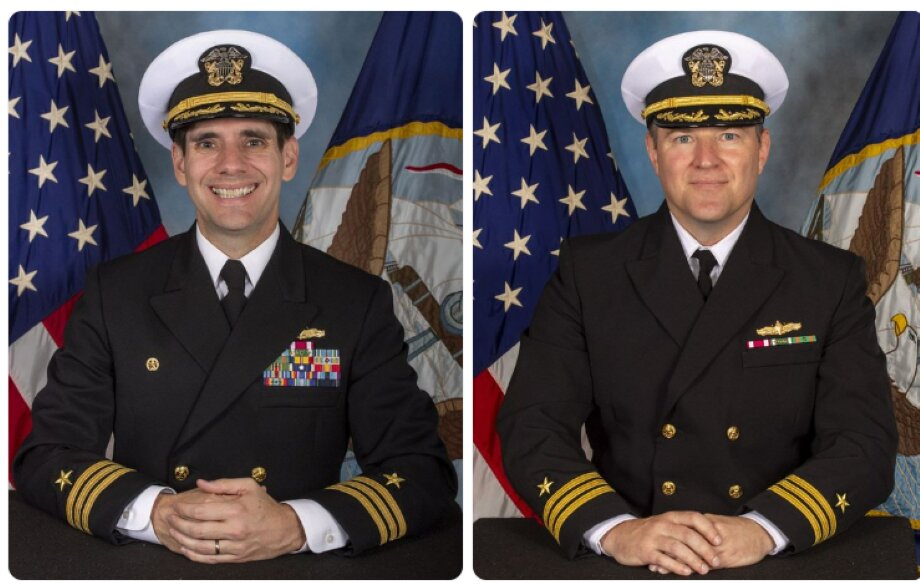
The two officers named by Iran are Commander Leigh R. Tate, the commanding officer of the USS Spruance, and Lieutenant Commander Jeffrey E. York, the warship’s executive officer. The Iranian Embassy shared their photographs alongside the warning, accusing them of having responsibility for the missile launches that struck the school. Tehran alleges that the officers were involved in authorising the use of Tomahawk cruise missiles during the military operation.
The threat follows an earlier round of accusations by Iranian diplomatic representatives, who have repeatedly linked the two officers to the February 28 attack. By publicly identifying them and using the phrase “We will find you,” Iran has moved beyond its previous diplomatic criticism to issue a direct personal warning. The statement has raised concerns about the safety of the named American military personnel.
The incident at the centre of the dispute occurred on February 28, 2026, when the Shajareh Tayyebeh elementary school in Minab, southern Iran, was struck during the opening phase of the US-Israeli military campaign against Iran. The attack resulted in significant civilian casualties, with children among those reportedly killed. Iranian authorities have claimed that 168 children lost their lives in the strike, making it one of the most controversial incidents associated with the military campaign.
Iran has blamed the United States for the attack and alleged that American military personnel were responsible for the missile launches. However, the specific allegations against Commander Tate and Lieutenant Commander York have not been independently established. The distinction between Iran’s accusations and verified findings regarding individual command responsibility remains important as the incident continues to attract international attention.
The USS Spruance, an Arleigh Burke-class guided-missile destroyer, is the vessel associated with the two officers. The warship recently completed an extended 357-day deployment before returning to San Diego, California. Its deployment included operations connected to the wider US military campaign against Iran, placing the vessel and its leadership at the centre of Tehran’s latest accusations.
The Iranian warning has also drawn attention to the broader security environment surrounding American military personnel and government officials. Publicly naming serving or recently deployed military officers in connection with a controversial military operation could create additional security challenges, particularly when accompanied by language suggesting retaliation.
The development comes amid wider tensions between the United States and Iran, with both countries exchanging strong warnings over military actions and potential retaliation. US President Donald Trump has previously warned Tehran against targeting senior American officials, indicating that any such action would carry serious consequences for Iran.
US Treasury Secretary Scott Bessent has also spoken about security concerns after receiving death threats, confirming that he relocated from his residence in the Washington area to a military installation following advice from the US Secret Service. These developments highlight the heightened security concerns surrounding American officials amid the continuing confrontation with Tehran.
Iran’s latest statement has brought the Minab school strike back into international focus while raising questions about the security of US Navy personnel. Although Tehran’s accusations against the two officers remain unverified, the public threat represents another escalation in the increasingly hostile exchanges between the two countries. The incident also underlines how the consequences of military operations can extend beyond the battlefield, creating diplomatic tensions and personal security concerns for military personnel involved in regional conflicts.