


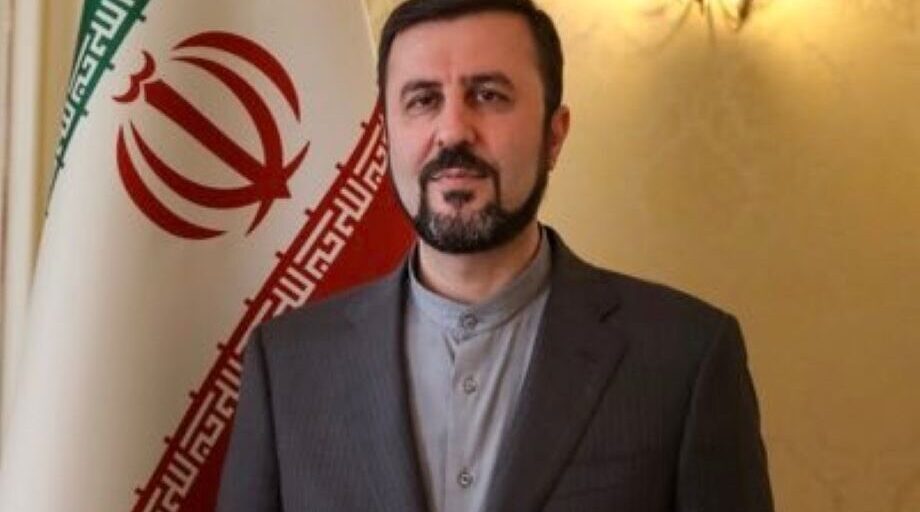
Iran has said it remains in a state of war with the United States and is prepared to deal with any possible situation, including diplomatic negotiations, economic blockade or military action. Iranian Deputy Foreign Minister Kazem Gharibabadi made the statement amid continuing tensions between Tehran and Washington.
Gharibabadi said Iran was open to diplomacy but expressed serious doubts about the United States’ commitment to diplomatic agreements. He argued that previous negotiations and understandings had failed to produce lasting results, increasing Tehran’s distrust of Washington. According to the Iranian official, diplomatic discussions had continued even during earlier military confrontations, raising questions about the reliability of American commitments.
The deputy foreign minister outlined several conditions for reaching a possible agreement with the United States. These include a permanent end to hostilities, the removal of economic restrictions and blockades, the release of Iran’s frozen financial assets abroad and the lifting of sanctions affecting its oil sector. Tehran also wants Washington to address its expanded military presence and deployment of additional equipment in the region.
Another major issue highlighted by Gharibabadi was the strategically important Strait of Hormuz. Iran has reportedly proposed a framework for ending the conflict and reopening the waterway. The initial seven-day implementation timeline was reportedly reduced to two days following discussions with mediators. However, the proposal depends on both sides addressing outstanding differences and fulfilling their commitments.
The Strait of Hormuz is a critical international shipping route through which a significant share of global oil supplies passes. Any prolonged disruption could affect international energy markets, shipping operations and oil-importing countries, including India.
Gharibabadi maintained that Iran was not seeking military confrontation and described its actions as defensive. However, he warned that Tehran would remain prepared to respond if Washington chose military action instead of diplomacy. He also argued that the United States must take practical steps to rebuild trust before meaningful negotiations can move forward.
Iran’s latest statement highlights the continuing uncertainty surrounding relations between Tehran and Washington. While diplomatic negotiations remain a possible route towards reducing tensions, disagreements over sanctions, military deployments and regional security continue to create obstacles to a lasting settlement.