


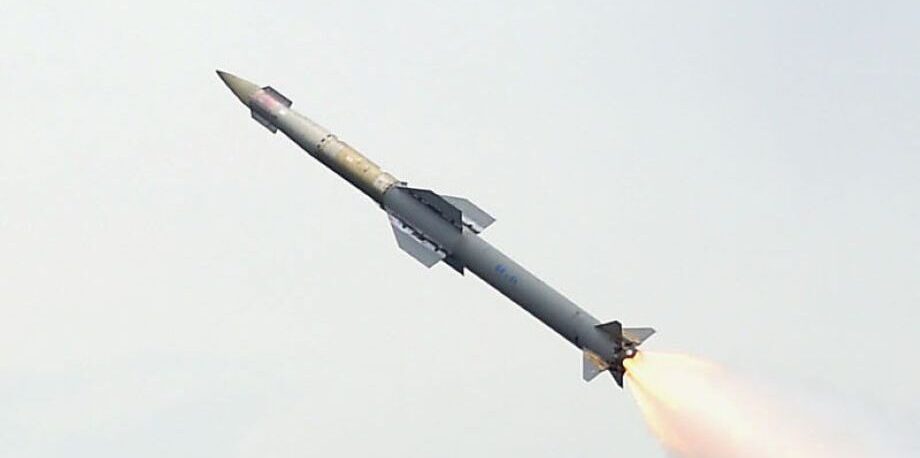
Bharat Electronics Limited (BEL) is expecting a significant boost to its order book through a proposed ₹30,000 crore contract for India’s indigenous Quick Reaction Surface-to-Air Missile (QRSAM) system. The major defence procurement programme is awaiting approval from the Cabinet Committee on Security (CCS), with the clearance expected to pave the way for the formal award of the contract.
The proposed agreement represents one of the most important upcoming opportunities for BEL as India continues to strengthen its domestic defence manufacturing capabilities. The QRSAM programme is designed to provide the Indian Army with a highly mobile air defence capability to protect mechanised formations and other critical military assets against a range of aerial threats, including fighter aircraft, helicopters, unmanned aerial vehicles (UAVs) and precision-guided weapons.
According to the company’s recent management commentary, the QRSAM contract is a major component of BEL’s order inflow expectations for the financial year 2026-27. The defence electronics manufacturer has maintained an annual order inflow target of approximately ₹55,000 crore, which includes the anticipated QRSAM programme. Excluding this major project, the company’s expected order inflows would be closer to ₹25,000 crore, highlighting the importance of the proposed agreement to its overall business outlook.
BEL has already undertaken considerable preparation for the programme during its development phase in collaboration with the Defence Research and Development Organisation (DRDO). The company has invested in manufacturing infrastructure, production capabilities and other supporting facilities to ensure that the programme can move towards execution once the government grants the necessary approval. These preparations are expected to support a smoother transition from development to large-scale manufacturing.
The QRSAM system is an important part of India’s efforts to establish a stronger indigenous air defence network. Developed by DRDO with participation from domestic defence industry partners, the system is intended to provide rapid-response protection to military formations operating in changing battlefield conditions. Its mobile configuration is particularly important for supporting armoured and mechanised units that require continuous air defence coverage while advancing in operational areas.
For BEL, the proposed contract would involve more than just a substantial addition to its order book. It could also strengthen the company’s long-term revenue visibility and reinforce its position as a major Indian defence systems integrator. The programme is expected to involve a wider domestic industrial ecosystem, creating opportunities for other Indian defence manufacturers and suppliers participating in the production process.
However, the financial benefits of the programme are unlikely to be reflected immediately in BEL’s revenue. Current expectations indicate that meaningful revenue contributions from QRSAM could begin in FY28, depending on the timing of the final contract, production schedules and execution milestones. This means that although the anticipated order could significantly improve the company’s near-term order inflow position, its financial contribution will develop over a longer period.
BEL is also pursuing several other major defence programmes, including electronic warfare systems, naval combat management solutions and other advanced military electronics projects. The company’s broader order pipeline is expected to support its growth as India increases investment in defence modernisation and indigenous technology development.
The anticipated ₹30,000 crore QRSAM agreement therefore represents a major opportunity for both BEL and India’s domestic defence manufacturing sector. With CCS approval remaining a key requirement before the contract can move forward, attention is now focused on the government’s decision and the subsequent steps towards production. If cleared, the programme could become one of BEL’s most significant order wins and provide further momentum to India’s efforts to build a self-reliant air defence ecosystem.