


India has signed defence contracts worth Rs 4,106 crore to strengthen the Indian Air Force’s secure communication capabilities and enhance the Indian Navy’s anti-submarine warfare potential. The agreements cover the indigenous GSAT-7C communication satellite programme and the procurement of Varunastra heavy-weight torpedoes, reflecting the country’s continued focus on military modernisation and indigenous defence manufacturing.
Under the satellite agreement, valued at Rs 2,563 crore, the Ministry of Defence has awarded a contract to NewSpace India Limited (NSIL), Bengaluru, for the GSAT-7C communication satellite. The programme aims to provide the Indian Air Force with a dedicated space-based communication capability, supporting secure and reliable information exchange between operational assets.
Military communications play a crucial role in coordinating aircraft, command centres and other defence platforms, particularly during complex operations. A dedicated communication satellite is expected to strengthen the Air Force’s ability to maintain connectivity and coordinate activities across geographically dispersed operational areas. The programme also supports India’s broader objective of developing greater self-reliance in critical military space technologies.
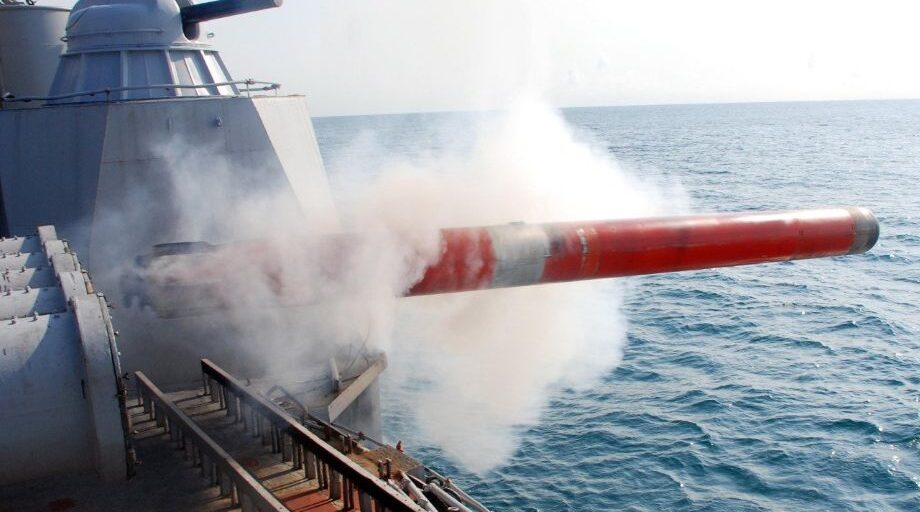
The second contract, worth Rs 1,543 crore, has been signed with Bharat Dynamics Limited (BDL), Hyderabad, for the acquisition of Varunastra heavy-weight torpedoes for the Indian Navy. Developed by the Naval Science and Technological Laboratory, a laboratory under the Defence Research and Development Organisation (DRDO), Varunastra is an indigenously developed, ship-launched anti-submarine torpedo designed to engage hostile submarines.
The procurement is expected to strengthen the Navy’s underwater combat capabilities at a time when anti-submarine warfare remains an important element of maritime security. Submarines can pose significant challenges to surface fleets, making advanced detection systems and effective underwater weapons essential for protecting naval assets and safeguarding strategic maritime interests.
Varunastra represents an important achievement in India’s indigenous defence research and manufacturing ecosystem. Its development and production involve domestic scientific expertise and defence industry capabilities, supporting the government’s efforts to reduce dependence on imported military equipment.
Together, the GSAT-7C satellite programme and the Varunastra torpedo procurement address two different but important operational requirements. While the satellite is intended to improve secure communications for the Indian Air Force, the torpedoes will strengthen the Indian Navy’s ability to counter underwater threats. Both initiatives demonstrate the growing role of indigenous technology in enhancing the operational readiness of India’s armed forces.
The contracts also reinforce the government’s Aatmanirbhar Bharat and Make in India initiatives by placing domestic organisations at the centre of key defence programmes. As India continues to invest in advanced military technologies, secure communication infrastructure and effective anti-submarine weapons are expected to remain important priorities in strengthening national defence preparedness.