

Israel was prepared to shoot down a Flydubai passenger aircraft carrying more than 150 Israelis after an alleged cockpit attack raised fears that the plane could become a 9/11-style threat, according to a report by CBS News citing two Israeli sources with direct knowledge of the incident.
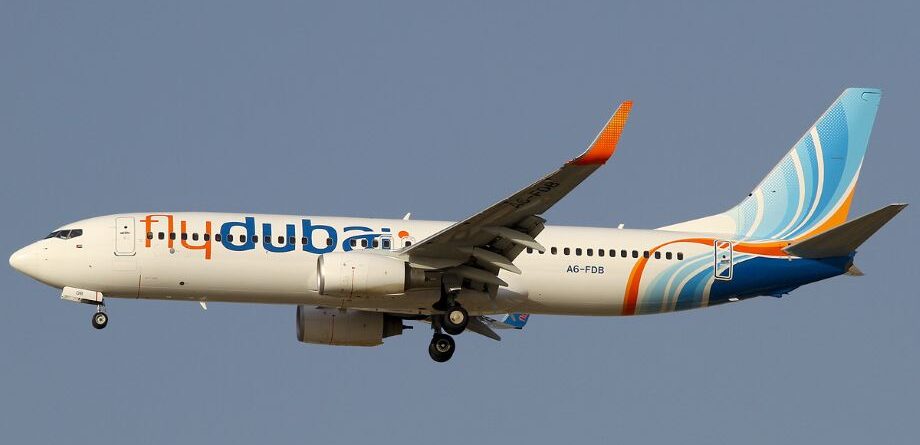
The incident involved Flydubai Flight FZ1073, which was travelling from Dubai to Tel Aviv on September 30 when the co-pilot allegedly attacked Captain Smit Machchhar, an Indian national, inside the cockpit. The aircraft subsequently plunged more than 14,000 feet in a matter of seconds, triggering an emergency response and fears that the aircraft had been hijacked.
According to the CBS report, Israel’s air defence authorities attempted to establish contact with the cockpit but initially received no response. A pre-established emergency mechanism for a potential hijacking or similar threat was activated, while a command centre was established and Israeli fighter jets were scrambled. Israeli airspace was also closed as authorities assessed the situation.
The aircraft, which was carrying more than 170 passengers, eventually turned away from Israel and towards Saudi Arabia. Saudi authorities also scrambled fighter aircraft as the Flydubai jet headed toward an emergency landing in Tabuk. Once Israeli authorities determined that the aircraft was moving toward Saudi Arabia rather than continuing toward Israeli territory, the Israeli fighters were called back.
The latest report indicates that Israel’s response could have escalated significantly if the aircraft had continued toward Tel Aviv. According to the Israeli sources cited by CBS News, fighter aircraft would have attempted to approach the passenger jet and visually assess the cockpit and cabin. If authorities concluded that the aircraft had been hijacked and remained unresponsive, the matter could have been referred to Israel’s senior political leadership, with the prime minister holding the authority to order the aircraft shot down.
The situation was ultimately resolved without military intervention. Captain Machchhar, despite being injured, was reportedly able to fight back against the attacking co-pilot and unlock the cockpit door. Passengers and Flydubai crew members then entered the cockpit and subdued the attacker. Two off-duty Flydubai pilots who were also travelling on the aircraft helped regain control of the Boeing 737 MAX, allowing it to make an emergency landing at Tabuk Airport in Saudi Arabia.
Israeli officials have described the incident as a potentially catastrophic attack. Earlier reports said the co-pilot allegedly attempted to take control of the aircraft and crash it. Israeli investigators are continuing to examine his motive and whether he acted alone. CBS News reported that Israeli officials believe the incident was likely a lone-wolf attack, although the investigation remains ongoing.
The incident highlights the extremely sensitive nature of Israel’s air-defence procedures when a civilian aircraft suddenly loses altitude, stops responding to communications and is suspected of being under hostile control. In this case, the actions of the injured captain, passengers and additional crew members prevented the situation from escalating into a much larger disaster.