


The Indian Space Research Organisation (ISRO) is set to establish an Advanced Radar Research Centre at Chandrapur near Guwahati, Assam, marking a significant expansion of India’s space surveillance infrastructure. The foundation stone for the facility was laid on September 21, 2026, with the project being developed under ISRO’s Project NETRA, or Network for Space Object Tracking and Analysis.
The new facility is intended to strengthen India’s ability to monitor and track satellites, rocket bodies and orbital debris. Space Situational Awareness has become increasingly important as the number of satellites and other objects operating in Earth orbit continues to grow. Radar-based systems can provide tracking support even when optical observations are restricted by conditions such as darkness or cloud cover.
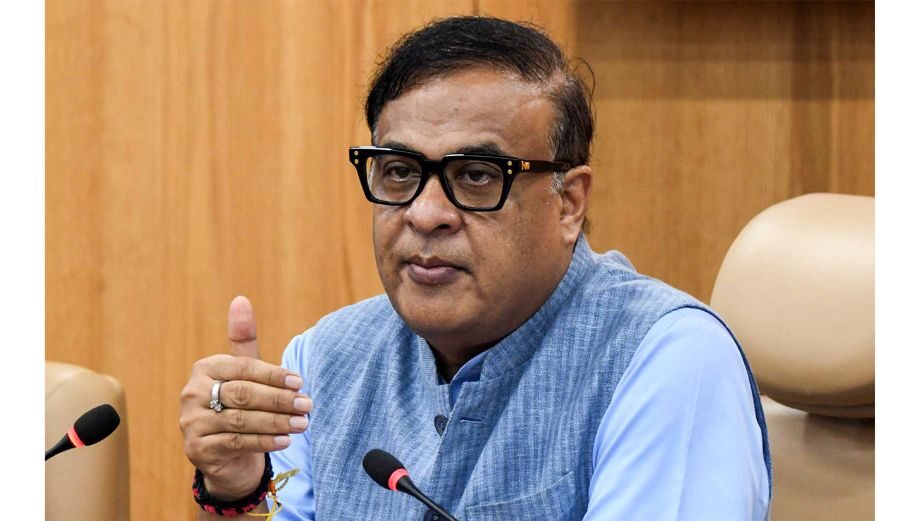
According to Assam Chief Minister Himanta Biswa Sarma, the centre will be established on around 200 bighas of land, or nearly 67 to 70 acres, provided by the Assam government. The facility is expected to include advanced radar systems and optical telescopes for scientific studies related to space and atmospheric phenomena. Sarma said the first radar, intended for cloud research, is expected to be established in February.
The Chandrapur project will add to India’s existing network of space-monitoring infrastructure and support the country’s efforts to improve independent tracking of objects in orbit. Under Project NETRA, ISRO is developing capabilities to monitor the space environment, assess orbital activity and improve protection of critical space assets.
The development comes at a time when Assam is also witnessing major infrastructure and industrial investment. Separately, Adani Power has announced a 3,200 MW ultra-supercritical thermal power project at Chapar in Dhubri district, with an estimated investment of around ₹48,000 crore. The project is expected to create employment during construction and add to Assam’s power-generation capacity once operational.
Together, the developments highlight Assam’s expanding role in hosting major national infrastructure projects across the space, scientific and energy sectors. The ISRO radar facility, in particular, is expected to strengthen India’s ability to monitor the increasingly complex environment around Earth and contribute to the protection and safer operation of the country’s space assets.