

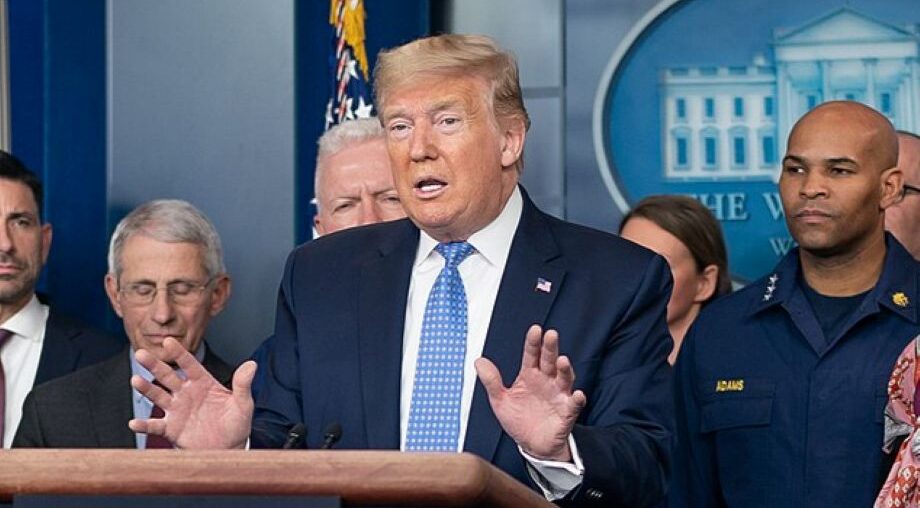
US President Donald Trump has praised Prime Minister Narendra Modi and the Indian government for their efforts to tackle illicit opium poppy cultivation and strengthen the security of supply chains. The remarks came as the United States included India among countries designated as major drug transit or illicit drug-producing nations for fiscal year 2027.
In a Presidential Determination submitted to the US Congress, Trump welcomed the measures being taken by India against illegal opium cultivation and said Washington would continue working with New Delhi through the United States-India Drug Policy Framework.
The US designation includes 23 countries, with India listed alongside nations including China, Pakistan, Afghanistan, Mexico, Colombia and Venezuela. However, the US administration has clarified that appearing on the list does not by itself indicate that a government has failed to combat drug trafficking or is not cooperating with Washington.
According to the US explanation, countries can be included because of geographic, commercial and economic conditions that make them potential locations for the production or movement of illicit drugs and precursor chemicals. The designation therefore does not constitute a separate finding that India has failed to meet its international counter-narcotics obligations.
Trump’s comments highlight the continuing counter-narcotics cooperation between India and the United States. The two countries established a Drug Policy Executive Working Group earlier in 2026 to strengthen cooperation against illicit narcotics trafficking, precursor chemicals and threats to pharmaceutical supply chains.
The US President also addressed the wider international drug trade, including concerns over precursor chemicals used in the production of synthetic drugs. Washington has called for stronger international action to prevent such substances from reaching criminal networks.
For India, the latest development combines two separate aspects of US policy: its inclusion in the annual list of major drug transit or illicit drug-producing countries and Washington’s explicit recognition of ongoing Indian efforts against illicit opium cultivation. The distinction is important because the US determination states that inclusion on the list does not necessarily reflect the effectiveness of a country’s counter-narcotics measures.
The development also comes as India and the United States continue to expand cooperation on security-related issues. Counter-narcotics coordination, supply-chain security and efforts to disrupt international trafficking networks are expected to remain areas of bilateral engagement under the existing drug policy framework.