


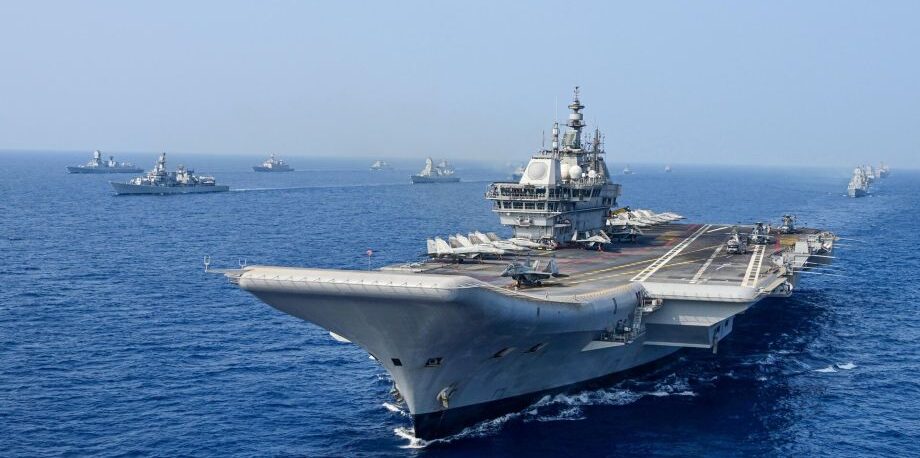
The Indian Navy has initiated the procurement process for seven advanced stealth frigates under Project 17B, issuing a Request for Proposal (RFP) to eligible Indian shipyards for a programme estimated at around ₹70,000 crore. The move marks a shift toward competitive bidding for a major naval warship programme, instead of the nomination-based approach used for several earlier projects.
According to reports published on September 16, the RFP has been issued to Category A shipyards, including Mazagon Dock Shipbuilders Limited (MDL), Garden Reach Shipbuilders & Engineers (GRSE), Goa Shipyard Limited (GSL) and Cochin Shipyard Limited (CSL). The participating shipyards are expected to compete on technical capabilities and commercial terms before the final contract is awarded.
Project 17B is planned as the next-generation follow-on to the Navy’s Project 17A Nilgiri-class stealth frigates. The new vessels are expected to incorporate improvements in stealth characteristics, sensors, weapons and other combat systems. Their planned roles include anti-air warfare, anti-surface operations and anti-submarine warfare, allowing the frigates to perform multiple missions in maritime operations.
The competitive procurement model represents an important procedural change. Under the nomination route, contracts for earlier major warship programmes were assigned directly to designated shipyards. The Project 17B process instead brings multiple eligible shipbuilders into competition for the requirement. The final contract value is expected to depend on the outcome of the bidding process, meaning the ₹70,000 crore figure is an estimated programme cost rather than a finalized contract amount.
The Project 17B frigates are expected to build on the experience gained from the Project 17A programme, which includes seven Nilgiri-class frigates. The new ships are planned to feature advanced low-observable design elements, modern sensors and vertical launch systems for missile-based air-defence and strike capabilities. Reports have also linked the programme with systems such as BrahMos missiles and indigenous electronic warfare technologies, although specific final configurations will depend on the procurement and design process.
For India’s naval shipbuilding sector, the RFP creates a substantial multi-year opportunity for domestic shipyards. The involvement of several Category A yards also places greater emphasis on shipbuilding capacity, technical capability, pricing and delivery requirements as the Navy moves toward the next stage of the programme.
The Project 17B procurement comes as the Indian Navy continues to expand and modernise its surface fleet. Once the bidding and evaluation process progresses, the selection of shipyards and subsequent contract award will determine how the seven frigates are distributed for construction and when the vessels can enter service.
For now, the issuance of the RFP marks the formal beginning of the competitive procurement process for the seven Project 17B stealth frigates, representing another major step in India’s ongoing naval modernisation and domestic warship-building programme.