


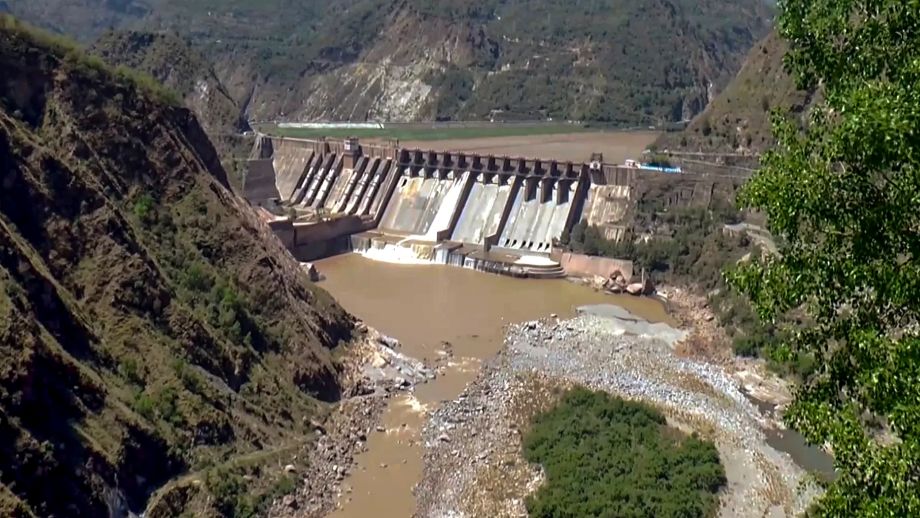
The dispute over the Indus Waters Treaty (IWT) has emerged as another major point of tension between India and Pakistan, with both countries maintaining sharply different positions on the future of the 1960 water-sharing agreement. India placed the treaty in abeyance following the April 2025 Pahalgam terror attack, citing the need to reassess arrangements amid continued security concerns. Pakistan, meanwhile, has repeatedly called for the treaty to remain operational and has opposed India’s position through diplomatic and legal channels.
The latest phase of the dispute has come amid renewed discussion over whether the treaty, which was negotiated more than six decades ago, remains suited to present-day strategic, technological and environmental realities. The agreement divides the waters of the Indus river system between the two countries, giving India rights over the eastern rivers and Pakistan rights over the western rivers, while also establishing mechanisms for cooperation and dispute resolution.
India has argued that the existing framework requires reconsideration, particularly in view of security developments and restrictions that it says have affected its ability to undertake water and hydropower projects. Supporters of a review also point to changes in dam technology, infrastructure requirements and climate conditions since the treaty was signed in 1960.
Pakistan has taken a different position, maintaining that the treaty remains legally binding. The Permanent Court of Arbitration has stated that the Indus Waters Treaty remains in force, according to Pakistan’s National Assembly and Foreign Ministry. Pakistan welcomed the decision and urged India to comply with the treaty framework. India, however, has rejected the arbitration process and has maintained its objections to the forum and proceedings.
The disagreement has also acquired a wider security dimension. Pakistani political and military figures have issued strong warnings over any perceived attempt to restrict water supplies, while Indian officials and commentators have linked the future of the treaty to broader security concerns following cross-border terrorism. The rhetoric has raised concerns that a dispute originally centred on water management could become increasingly connected with the wider India-Pakistan security relationship.
At the same time, water security is becoming an increasingly important strategic issue across South Asia. Pakistan remains heavily dependent on the Indus Basin for agriculture and economic activity, while India has sought greater flexibility to develop hydropower and water infrastructure within the rights provided to it under the treaty. Pakistan’s own water-management challenges, including infrastructure and conservation issues, have also become part of the wider debate over its long-term water security.
The current situation therefore presents a difficult balance between confrontation and dialogue. While Pakistan continues to call for the treaty to be implemented, India has signalled that the existing arrangement cannot simply continue without addressing its concerns. Any future negotiations are likely to involve not only the allocation and management of river waters but also questions surrounding terrorism, treaty mechanisms, hydropower development, modern engineering practices and the broader security relationship between the two nuclear-armed neighbours.
For now, the Indus Waters Treaty remains at the centre of a diplomatic and strategic dispute in South Asia. Whether the two countries eventually return to negotiations, seek a revised framework or continue with their competing legal and political positions will have significant implications for regional water security and India-Pakistan relations.