


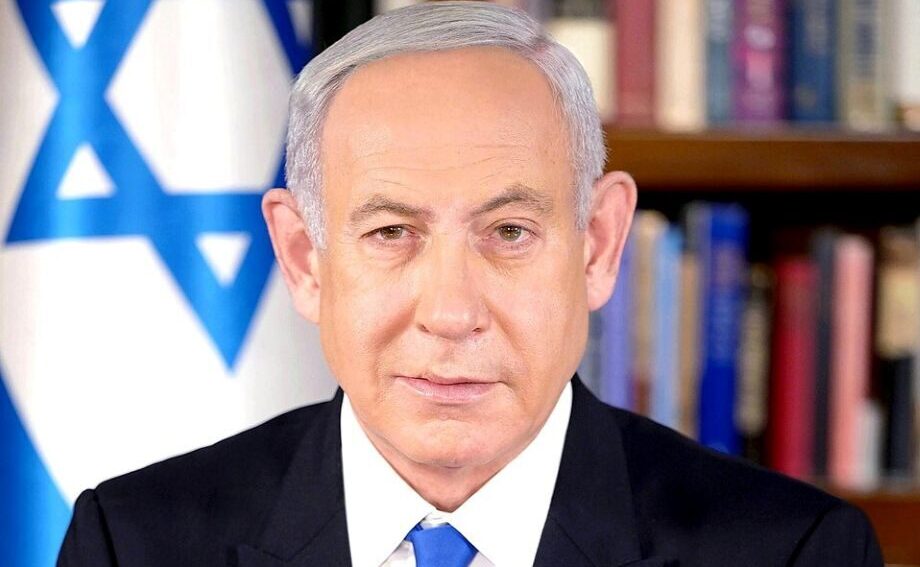
Israeli Prime Minister Benjamin Netanyahu has said the collapse of Iran’s Islamic Republic is now “within reach”, as renewed US military strikes and growing economic pressure put additional strain on Tehran. Speaking at an event with Israel’s military leadership on September 3, Netanyahu described the Iranian government as weaker than ever and said overthrowing the regime had become a central objective for Israel.
Netanyahu said Iran’s leadership was “fighting for its survival” and expressed confidence that Israel could remove what he described as a long-standing threat. His comments come amid a renewed phase of the US-Iran conflict, with American forces carrying out strikes against Iranian military targets while Tehran has responded with missile and drone attacks against US positions and allies in the Gulf region.
The latest US military operations have targeted Iranian air-defense systems, radar installations and maritime assets, according to US Central Command. Washington has said the strikes followed Iranian preparations and attacks involving commercial shipping and American forces in the region. Iran, meanwhile, has threatened further retaliation and has launched attacks involving missiles and drones against locations linked to US forces in the Middle East.
Alongside the military campaign, Washington has intensified economic pressure on Tehran. Reuters reported that US sanctions and restrictions on Iran’s oil exports are increasingly disrupting the country’s ability to access foreign currency, international financing and trade networks. Iranian oil loadings have reportedly fallen sharply, while the Iranian rial has weakened to more than 2.2 million rials to the US dollar and annual inflation has approached 70 percent.
The economic deterioration could become an important factor in the wider confrontation. Iranian officials and sources cited by Reuters have warned that continued restrictions could deepen shortages and increase domestic pressure on the government. At the same time, Tehran has continued to resist US demands, leaving the conflict caught between military escalation and stalled diplomatic efforts.
The strategic importance of the Strait of Hormuz has further complicated the situation. The waterway remains a major route for global energy supplies, and renewed fighting around the Gulf has already contributed to higher oil prices and disruptions to shipping activity. The United States and Iran remain engaged in a broader struggle over access and control around the strategically important maritime corridor.
Netanyahu’s declaration therefore comes at a particularly sensitive moment. While Israel believes the combination of military pressure and Iran’s internal economic difficulties could weaken the Islamic Republic, there is no independent confirmation that the Iranian government is on the verge of collapse. Iran’s leadership has continued to demonstrate its ability to retaliate militarily and maintain control internally despite the mounting pressure.
The renewed confrontation also raises the possibility of a wider regional escalation. Any further attacks involving US forces, Gulf states, Israel or Iranian military assets could increase risks to commercial shipping, energy markets and regional security. For now, Netanyahu’s remarks signal that Israel continues to view weakening or removing Iran’s current leadership as a major strategic objective, while Washington’s renewed strikes and economic campaign are increasing pressure on Tehran.