

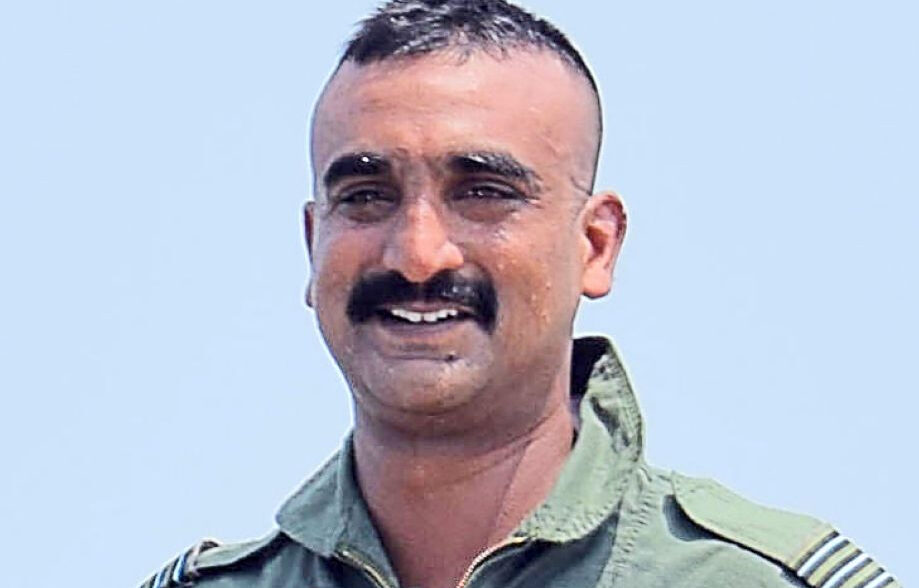
Group Captain Abhinandan Varthaman, one of India’s most recognised fighter pilots following the 2019 India-Pakistan aerial engagement, has left the Indian Air Force and moved into commercial aviation. According to officials familiar with the development, Varthaman completed his service with the IAF on March 31, 2026, and subsequently joined regional airline Fly91.
Varthaman became internationally known after the aerial confrontation between Indian and Pakistani fighter aircraft on February 27, 2019. During the engagement along the Line of Control, Varthaman was flying a MiG-21 Bison when he pursued a Pakistani fighter aircraft and shot it down, according to the citation associated with his Vir Chakra award. His own aircraft was subsequently hit by a missile, forcing him to eject over Pakistani territory.
The February 2019 confrontation occurred a day after Indian Air Force Mirage-2000 fighter aircraft conducted strikes at targets in Balakot, Pakistan, following the Pulwama terror attack in which 40 Central Reserve Police Force personnel were killed. Varthaman, who was then a Wing Commander, was operating from an IAF base in Srinagar when Pakistani fighter aircraft were detected approaching the Line of Control. He was among the pilots scrambled to intercept the incoming formation.
During the ensuing aerial battle, Varthaman engaged a retreating enemy aircraft and, according to his official gallantry award citation, shot down an F-16. Moments later, his MiG-21 Bison was struck by an air-to-air missile, forcing him to eject in enemy-controlled territory. He was subsequently captured by Pakistani forces and returned to India on March 1, 2019, after nearly 60 hours in captivity.
For his conduct during the engagement, Varthaman was awarded the Vir Chakra, one of India’s wartime gallantry decorations. The official citation praised his decision to engage the opposing aircraft despite what it described as significant numerical and technological disadvantages.
Varthaman’s transition to Fly91 marks a new phase in the career of a pilot whose name became closely associated with Indian military aviation following the 2019 confrontation. His move from fighter operations in the IAF to commercial aviation also highlights the career paths available to experienced military pilots after completing their service.
The development comes as the aviation sector continues to draw on the expertise of former military aviators, whose experience in high-performance aircraft, operational planning and demanding flying environments can be valuable in commercial aviation.
For the Indian Air Force, Varthaman’s departure represents the end of a notable chapter in the career of a fighter pilot who became a national figure after the 2019 aerial engagement. His next role with Fly91 will take his aviation career from military operations into India’s growing regional commercial aviation sector.