

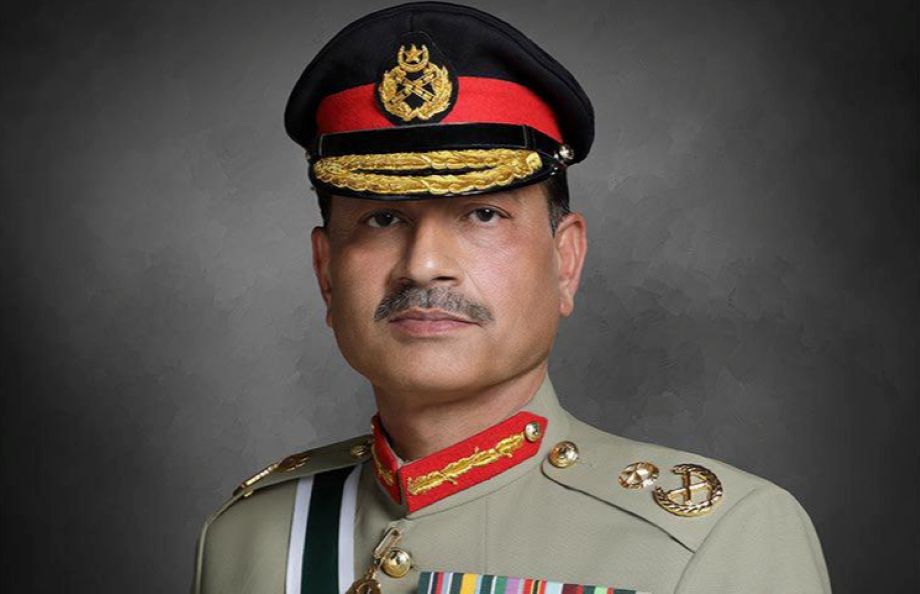
Pakistan has stepped up its diplomatic efforts to ease the escalating confrontation between the United States and Iran, with Field Marshal Asim Munir’s recent visit to Tehran putting Islamabad back at the centre of regional mediation efforts.
Pakistan’s Army chief travelled to Tehran on Monday alongside Interior Minister Mohsin Naqvi for high-level discussions with Iranian officials. The visit came amid heightened tensions surrounding the US-Iran conflict and growing concerns over disruptions in the strategically important Strait of Hormuz. Pakistan said the discussions were aimed at supporting regional peace, stability and a negotiated settlement to the wider crisis.
Munir’s Tehran trip also followed a conversation with US President Donald Trump. Trump spoke with the Pakistani Army chief before his visit and encouraged Islamabad to use its influence to persuade Tehran to return to negotiations. The development highlights the unusual diplomatic position Pakistan currently occupies, maintaining channels with both Washington and Tehran while attempting to facilitate dialogue.
During the Tehran meetings, Pakistani and Iranian officials discussed ways to prevent further escalation and work towards a comprehensive political resolution. Pakistan’s Interior Minister later said that the two sides had made “significant progress” in discussions focused on ending hostilities, reducing regional tensions and addressing the situation around the Strait of Hormuz.
Iranian President Masoud Pezeshkian also met Munir and stressed the importance of diplomacy and regional cooperation. Tehran has remained strongly opposed to what it views as coercive US economic pressure, while Washington has continued to threaten tougher measures against countries and entities maintaining economic links with Iran.
For Islamabad, the renewed mediation effort carries both diplomatic and strategic importance. Pakistan shares a long border with Iran and has direct economic and security interests in the stability of the region. At the same time, its developing relationship with the United States gives Islamabad an additional channel through which it can attempt to facilitate communication between the two sides.
The Strait of Hormuz remains a particularly important concern. Any prolonged disruption in the waterway could have major consequences for energy markets and international shipping, making de-escalation a priority for countries across the region. Pakistan’s diplomatic engagement therefore extends beyond its bilateral relationship with Iran and reflects wider concerns about regional security and economic stability.
Munir’s Tehran visit does not guarantee that Washington and Tehran will immediately return to a durable negotiating framework. Deep mistrust between the two sides remains a major obstacle, while continuing military and economic pressure could further complicate diplomatic efforts. Nevertheless, Pakistan’s renewed role demonstrates Islamabad’s attempt to position itself as an intermediary at a critical moment in the Middle East crisis.
The latest developments suggest that Pakistan intends to continue using its diplomatic access to encourage dialogue rather than allowing the regional confrontation to widen. Whether this effort can translate into sustained negotiations between Washington and Tehran will depend on the willingness of both sides to move away from escalation and towards a negotiated settlement.