


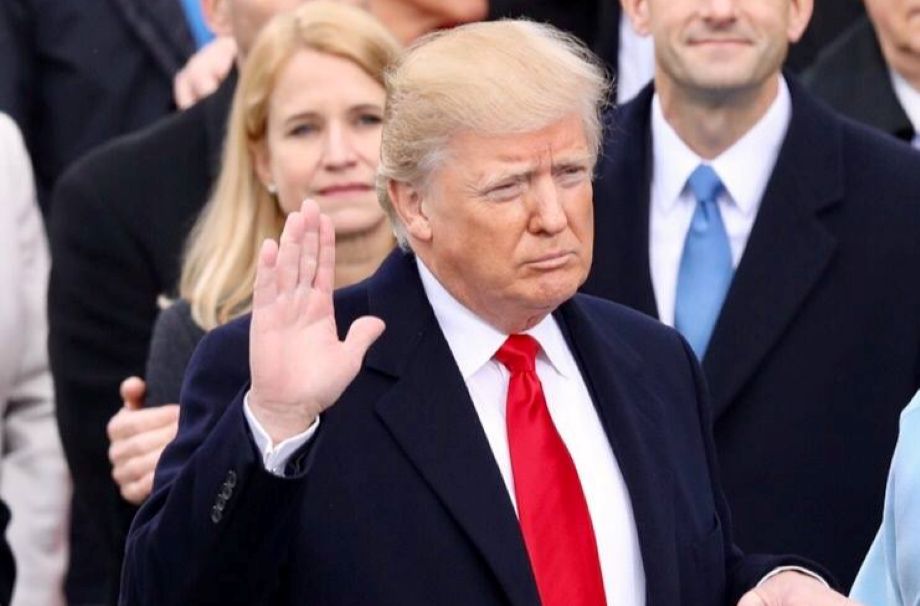
U.S. President Donald Trump has demanded compensation from Iran for deaths and damage that he attributes to Tehran, adding fresh pressure to already difficult discussions over the Strait of Hormuz.
The demand comes after Iran sought compensation from the United States for damage caused during the recent conflict. Tehran has also raised several conditions linked to the future of the strategically important maritime route, making compensation a significant point of disagreement between the two sides.
Trump has rejected Iran’s demand and instead argued that Tehran should be responsible for compensating those affected by its actions. The opposing positions have added another layer of complexity to diplomatic efforts aimed at reducing tensions between Washington and Tehran.
The Strait of Hormuz remains central to the dispute because of its importance to international energy supplies and commercial shipping. A prolonged disruption in the waterway could affect oil transportation, shipping costs and regional maritime security.
The latest development also highlights the wider challenges facing U.S.-Iran negotiations. Alongside compensation, issues including sanctions, security arrangements and the consequences of the conflict remain sensitive subjects between the two governments.
Any agreement concerning the Strait of Hormuz could have implications well beyond the Middle East. The waterway is a key route for global energy shipments, meaning continued uncertainty could be closely monitored by governments, shipping companies and energy markets.
Trump’s latest demand indicates that Washington and Tehran remain far apart on several major issues. Further negotiations will determine whether the two sides can bridge their differences and establish conditions for greater stability around the strategically vital waterway.