


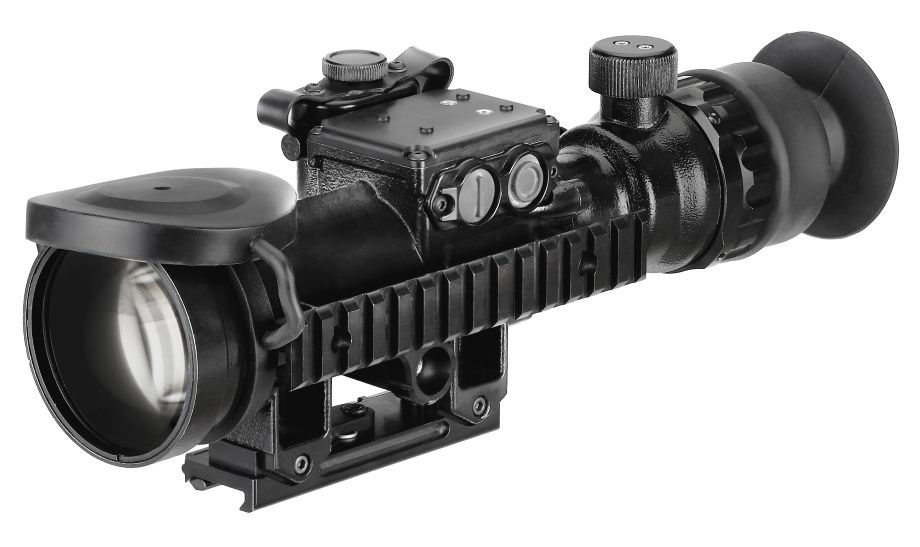
The Indian Army is set to significantly enhance its night combat capabilities with the induction of the first batch of approximately 4,000 indigenous MKU NW-3000 Night Vision Weapon Sights by the end of 2026. The delivery represents the initial phase of a larger procurement programme aimed at equipping frontline infantry with advanced night-fighting technology developed and manufactured in India.
Manufactured by Kanpur-based defence company MKU, the NW-3000 weapon sight has been developed to improve target acquisition, identification, and engagement during low-light and no-light operations. The system is designed to integrate with the Indian Army’s SIG 716 assault rifles, providing soldiers with enhanced operational effectiveness during night missions across diverse terrains.
The first delivery is part of a larger contract worth nearly ₹660 crore signed in October 2025 for the supply of 29,762 night vision weapon sights. The procurement falls under the Buy (Indian–IDDM) category, reflecting the government’s emphasis on promoting indigenously designed, developed, and manufactured defence equipment under the Aatmanirbhar Bharat initiative.
Before being cleared for induction, the NW-3000 underwent extensive evaluation by the Ministry of Defence under a wide range of operational conditions, including high-altitude, cold-weather, and desert environments. These trials were intended to verify the system’s reliability and performance in the demanding conditions faced by Indian troops deployed along different frontiers.
The Gen-3 image intensifier-based sight incorporates an integrated infrared illuminator, offers an improved field of view, and is engineered for rapid deployment on standard military mounting systems. Its rugged design is intended to support prolonged field operations while improving situational awareness during counter-terrorism, border security, and conventional military missions.
The induction of the NW-3000 is expected to strengthen the Indian Army’s infantry modernisation efforts while boosting India’s domestic defence manufacturing ecosystem. As additional deliveries continue under the contract, the Army will progressively expand its night-fighting capability with equipment produced within the country, reducing dependence on imported military optics.