


India’s private space sector is witnessing unprecedented momentum, with homegrown spacetech startups collectively securing $871 million in investments. The funding milestone underscores the rapid evolution of the country’s commercial space ecosystem and reflects increasing confidence among global and domestic investors in India’s ability to deliver advanced space technologies.
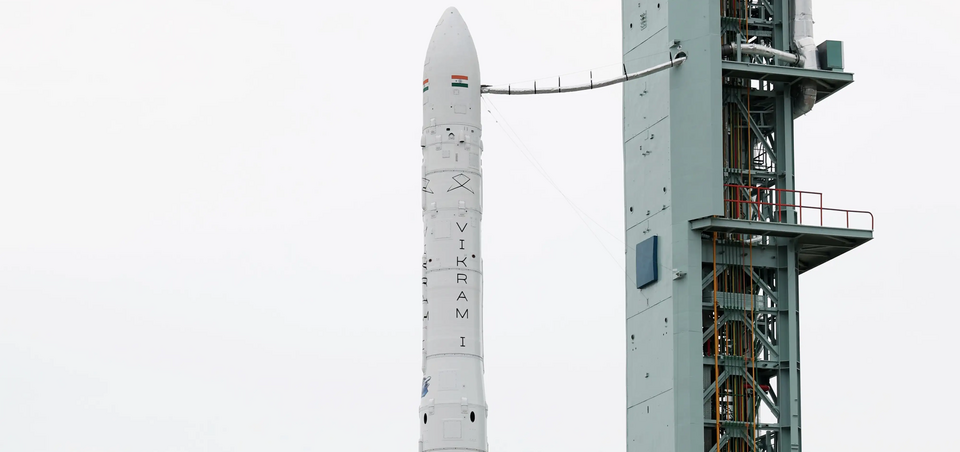
The surge in investments comes shortly after Skyroot Aerospace successfully launched Vikram-1, the first privately developed Indian rocket to place payloads into orbit. The achievement has been widely viewed as a turning point for the country’s private space industry, demonstrating that Indian startups are now capable of executing complex orbital missions once dominated by government agencies and established international players.
Over the past few years, India’s space startup ecosystem has expanded rapidly, with hundreds of companies working across satellite manufacturing, launch vehicles, Earth observation, propulsion systems, space-based analytics, and defence-related applications. Investors are increasingly backing these firms as demand for affordable space services continues to rise across global markets.
Industry leaders believe the sector’s growth has been fuelled by a combination of government reforms, technological innovation, and a strong engineering talent pool. Since the opening of India’s space sector to private participation, startups have gained greater access to launch infrastructure, testing facilities, and regulatory support, allowing them to accelerate product development and commercial operations.
Skyroot Aerospace remains one of the country’s most well-funded private space companies, while firms such as Pixxel, Agnikul Cosmos, and Digantara are also attracting significant capital to develop next-generation space technologies. Together, these companies are strengthening India’s commercial space ecosystem by advancing capabilities in satellite launches, Earth observation, in-orbit services, and space situational awareness.
The growing investment trend also reflects the expanding commercial potential of the global space economy. As satellite deployment increases and demand rises for communication, navigation, climate monitoring, and national security applications, Indian startups are positioning themselves as cost-effective providers of innovative space solutions.
Experts believe the successful demonstration of Vikram-1 has strengthened India’s credibility in the international launch market and could pave the way for more commercial missions in the coming years. The mission showcased the maturity of indigenous technology while reinforcing India’s ambition to become a major global hub for affordable launch services.
With sustained policy support, increasing private investment, and a vibrant innovation ecosystem, India’s commercial space industry appears poised for long-term expansion. The latest funding milestone highlights not only the confidence of investors but also the growing role of Indian startups in shaping the future of the global space economy.