

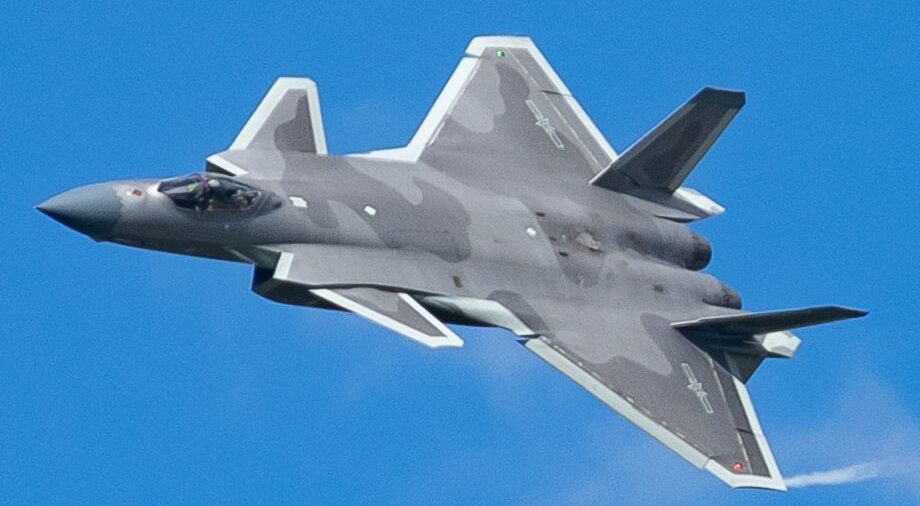
India is carefully evaluating its options for acquiring a fifth-generation stealth fighter as it seeks to modernise the Indian Air Force while navigating an increasingly complex geopolitical and sanctions environment. The decision is expected to influence the country’s air combat capabilities for decades and reflects a broader effort to balance operational requirements with strategic autonomy.
The Indian Air Force has long emphasised the need for advanced stealth aircraft to address emerging security challenges and maintain a technological edge in the region. With neighbouring countries continuing to expand their inventories of next-generation combat aircraft, India is assessing multiple pathways to strengthen its future fighter fleet.
Among the key considerations are the indigenous Advanced Medium Combat Aircraft (AMCA) programme and potential international partnerships that could provide access to advanced technologies. While the AMCA remains India’s flagship fifth-generation fighter project, foreign aircraft are also being viewed in the context of capability, timelines, technology transfer, and long-term operational sustainability.
However, any decision involving overseas platforms is closely linked to geopolitical realities. Defence analysts note that procurement choices involving major global powers could expose India to diplomatic pressure, export restrictions, or sanctions-related challenges. As a result, policymakers are expected to prioritise solutions that preserve India’s strategic independence while ensuring uninterrupted access to critical defence technologies.
The government has consistently highlighted self-reliance in defence manufacturing as a national priority. Expanding indigenous aerospace capabilities through programmes such as the AMCA aligns with the broader objective of reducing dependence on imported military platforms and strengthening India’s domestic defence industrial base.
Industry experts believe the final roadmap could involve a combination of indigenous development and carefully selected international cooperation. Such an approach would allow India to meet near-term operational requirements while continuing to build advanced aerospace technologies within the country.
The Indian Air Force’s future force structure is expected to rely on a mix of upgraded legacy aircraft, advanced 4.5-generation fighters, and indigenous fifth-generation platforms. As strategic planning continues, the government’s emphasis remains on ensuring that future acquisitions support both national security objectives and India’s long-term defence manufacturing ambitions.
With regional security dynamics evolving rapidly, the decision on India’s next-generation stealth fighter is likely to become one of the country’s most significant defence procurement choices in the coming years.