

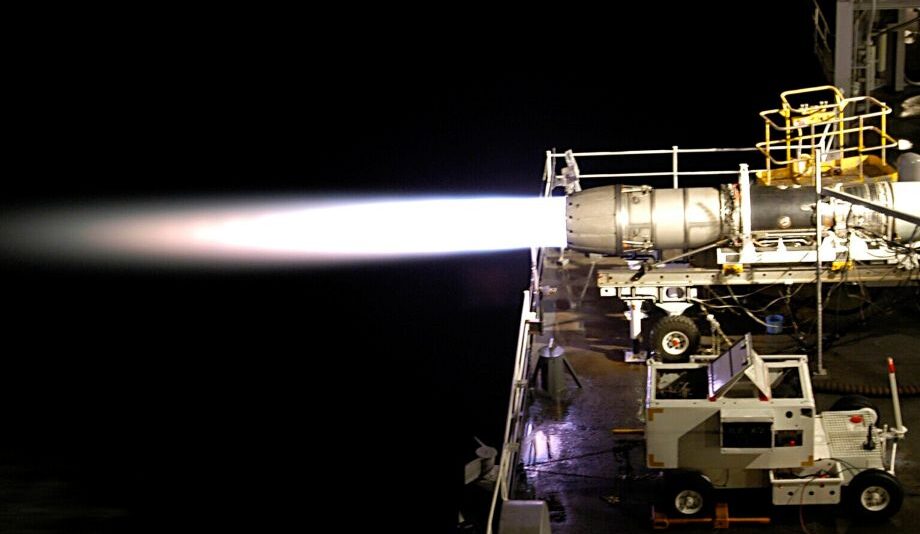
India’s Tejas Mk1A fighter programme has reached another important milestone with US-based GE Aerospace dispatching the 15th F404-IN20 turbofan engine for the upgraded aircraft. The latest shipment comes at a crucial stage for Hindustan Aeronautics Limited (HAL), which is working to accelerate aircraft production after prolonged delays linked to the availability of engines.
The engine has reportedly been dispatched from the United States and is expected to reach India shortly. HAL is also anticipating two to three additional engines during November 2026. If these shipments materialise, the total number of engines supplied for the programme could increase to between 16 and 18 by the end of the month. The additional supplies would support HAL’s efforts to move forward with aircraft assembly, integration and testing.
The delivery schedule remains a significant concern for the Tejas Mk1A project. Although HAL has continued manufacturing the aircraft, the availability of production-standard engines is essential before the fighters can complete the necessary integration and testing stages. Delays in receiving the F404-IN20 engines have therefore affected the programme’s original production and handover plans.
GE Aerospace is supplying the engines under a contract signed with HAL in 2021 for 99 F404-IN20 powerplants. The agreement was intended to support the initial procurement of 83 Tejas Mk1A aircraft by the Indian Air Force. The first engine under the contract arrived in India in March 2025, considerably later than the original programme expectations. GE has previously cited supply-chain difficulties and the challenges of restarting its production line as factors behind the delayed deliveries.
The latest dispatch also comes amid efforts to improve the monthly supply rate. Earlier projections indicated that GE would work towards delivering four engines per month during the final quarter of 2026. Defence Secretary Rajesh Kumar Singh had also indicated that India could receive approximately 22 engines by the end of the year. The pace of deliveries in November and December will be important in determining whether that target can be achieved.
For the Indian Air Force, the most important milestone is the induction of the first Tejas Mk1A squadron by March 2027. Air Chief Marshal Ashutosh Dixit has indicated that the upgraded aircraft is expected to join the service within the current financial year, ending March 2027. The planned induction is significant as the IAF seeks to strengthen its fighter fleet and gradually replace older aircraft with modern platforms.
The Tejas Mk1A is an improved version of India’s Light Combat Aircraft, designed by the Aeronautical Development Agency (ADA) under the Defence Research and Development Organisation (DRDO) and manufactured by HAL. The upgraded variant incorporates several improvements in radar, electronic warfare, avionics and operational capabilities compared with the earlier Tejas Mk1 configuration.
Powering the aircraft is the GE F404-IN20, an American-made turbofan engine that generates approximately 85 kN of thrust with afterburner. The single-engine fighter has a maximum speed of around Mach 1.6 and can operate at altitudes of approximately 50,000 feet. Its performance characteristics support a range of combat missions, including air defence and ground attack.
The Mk1A variant is equipped with an Active Electronically Scanned Array (AESA) radar, an advanced electronic warfare suite, digital radar warning receivers and an aerial refuelling capability. These upgrades are designed to improve target detection, situational awareness, survivability and operational flexibility. The aircraft is also intended to operate with a range of modern weapons and mission systems.
India has substantially increased its Tejas Mk1A acquisition plans in recent years. The initial order covered 83 aircraft, while the Ministry of Defence signed another contract with HAL in September 2025 for 97 additional fighters. This brought the total number of Tejas Mk1A aircraft ordered for the Indian Air Force to 180.
To support the second batch, HAL and GE Aerospace entered into a separate agreement in November 2025 for 113 additional F404-IN20 engines. These engines will power the additional 97 aircraft, with the expanded programme requiring sustained coordination between the Indian manufacturer and its American engine supplier.
The 15th engine dispatch is a positive development for the programme, but it does not by itself resolve the production backlog. HAL must receive the engines, complete aircraft integration and undertake the required testing before the fighters can be handed over to the Air Force. The remaining weeks of 2026 will therefore be important for assessing whether the improved supply schedule can support the March 2027 induction target.
The Tejas Mk1A programme remains a major component of India’s efforts to strengthen domestic aerospace manufacturing and modernise its combat aircraft fleet. Timely engine deliveries and steady production progress will be essential if the first squadron is to enter IAF service by the end of March 2027.