


Pakistan’s worsening water crisis has triggered fresh debate within the country, with 25 Pakistani voices reportedly arguing that the roots of the problem lie primarily in domestic governance failures rather than India’s position on the Indus Waters Treaty (IWT). The debate has brought renewed attention to the country’s long-standing challenges involving water storage, irrigation infrastructure, groundwater depletion and the distribution of river resources among provinces.
The issue comes amid heightened tensions between India and Pakistan following New Delhi’s April 2025 decision to place the Indus Waters Treaty in abeyance after the Pahalgam terror attack. Islamabad has repeatedly raised concerns over the potential impact of India’s decision on its water security, portraying the treaty dispute as a major threat to its agricultural sector and millions of people dependent on the Indus river system.
However, the arguments highlighted in the News18 report suggest that Pakistan’s water problems have much deeper roots. Decades of insufficient investment in water infrastructure, inefficient irrigation practices and the failure to develop adequate storage capacity have contributed significantly to the country’s growing vulnerability to water shortages.
Pakistan relies heavily on the Indus river system for agriculture, which accounts for the overwhelming majority of its freshwater consumption. Yet, much of the country’s irrigation network continues to suffer from ageing canals, water leakage and inefficient distribution systems. These shortcomings result in substantial water losses before supplies reach agricultural fields, reducing the overall efficiency of the country’s water management system.
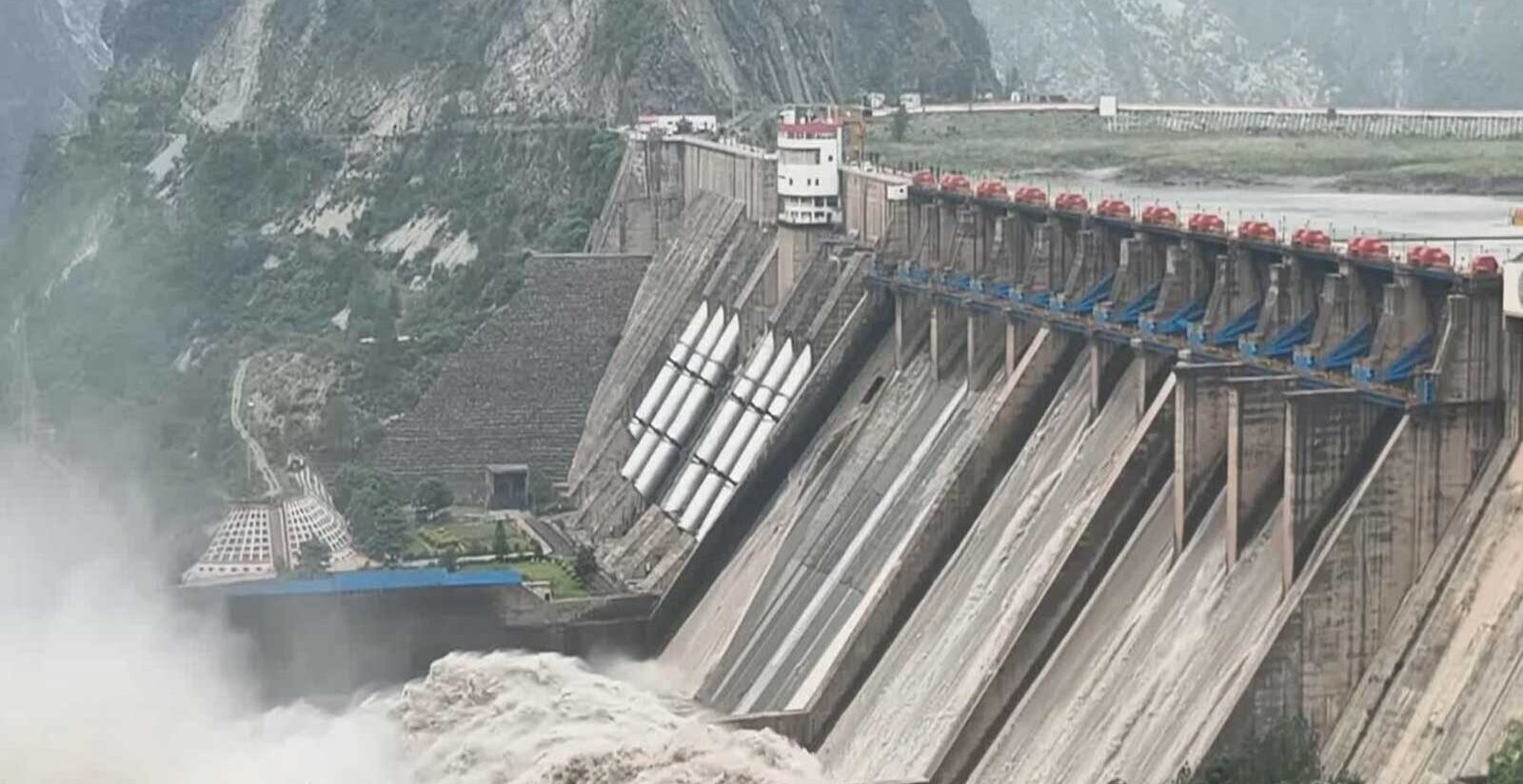
Inadequate reservoir capacity is another major concern. Pakistan has struggled to expand its water storage infrastructure over several decades, leaving it vulnerable to seasonal variations in river flows, drought conditions and changing rainfall patterns. Sedimentation in existing reservoirs has further reduced their effective storage capacity, adding pressure to an already strained water supply network.
The country’s internal water distribution system has also remained a source of political disagreement. Provinces such as Sindh have repeatedly raised concerns about the allocation of water resources and alleged that upstream withdrawals affect supplies reaching downstream regions. Disagreements over the distribution of Indus waters have complicated efforts to establish a consistent national approach to water management.
Groundwater depletion and changing agricultural practices have added to the challenge. Excessive extraction of groundwater, combined with water-intensive crop cultivation and inefficient irrigation methods, has increased pressure on available freshwater resources. Rapid population growth and urbanisation have further expanded demand for drinking water and agricultural supplies.
The Indus Waters Treaty, signed by India and Pakistan in 1960 with the World Bank’s involvement, established a framework for sharing the waters of the Indus river system. Under the agreement, the eastern rivers Ravi, Beas and Sutlej were allocated primarily to India, while Pakistan received rights over the western rivers Indus, Jhelum and Chenab, subject to the treaty’s provisions.
India placed the treaty in abeyance in April 2025 following the Pahalgam terrorist attack, linking the future of bilateral cooperation to Pakistan ending its support for cross-border terrorism. Pakistan has strongly opposed the decision and continued to raise the matter at international forums.
The latest debate within Pakistan highlights the importance of distinguishing the immediate diplomatic dispute from the country’s wider structural water challenges. While the status of the Indus Waters Treaty remains a significant issue in bilateral relations, improving reservoir capacity, modernising irrigation networks, reducing water losses and resolving provincial allocation disputes remain important domestic priorities for Islamabad.
The discussion also underlines the growing importance of sustainable water management in South Asia, where population pressures, climate change and increasing demand for freshwater are placing additional stress on shared river systems. For Pakistan, addressing these long-standing infrastructure and governance challenges will be essential to improving water security, regardless of how its dispute with India over the Indus Waters Treaty develops.