


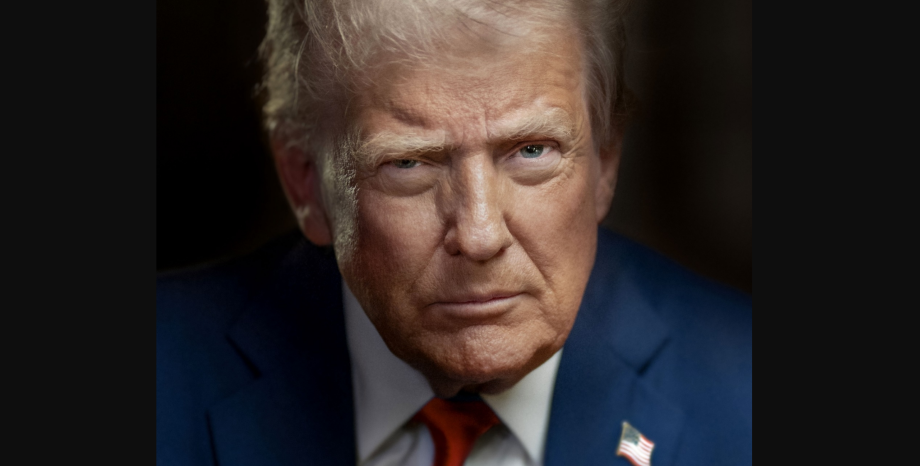
US President Donald Trump has signalled that he is unlikely to make an immediate decision on launching another round of military strikes against Iran, pushing the timeline for a possible military escalation into the beginning of 2027. His remarks come as Israeli Prime Minister Benjamin Netanyahu reportedly continues to press Washington to support fresh military action against Tehran.
Speaking to Axios in a telephone interview on Thursday while returning to the United States from China, Trump indicated that he was not in a hurry to determine the next course of action against Iran. He said the situation would be reviewed after the beginning of the new year, suggesting that the United States could maintain its current approach for several more weeks before considering further military options.
Trump indicated that discussions about possible renewed strikes would take place after January 1. His statements represent a shift in the immediate timeline for military action, particularly after earlier indications that developments following the November 3 US midterm elections could influence Washington’s next move.
The delay comes amid growing Israeli concerns about Iran’s military rebuilding efforts. Netanyahu has reportedly been advocating a renewed bombing campaign, with Israeli officials raising concerns about Tehran’s missile and drone capabilities and its alleged activities related to chemical and biological weapons development. Israel has reportedly sought stronger US involvement in addressing these concerns.
According to reports, Mossad Director Roman Gofman travelled to Washington and Miami last week for discussions with senior American officials, including CIA Director John Ratcliffe and US special envoy Steve Witkoff. An Israeli source cited in the reporting indicated that Gofman was sent to communicate Israel’s concerns and press for a possible resumption of military operations against Iran. A US official also confirmed that Trump had received briefings on the intelligence shared by Israel.
Despite the pressure for military action, the Trump administration is reportedly examining the potential consequences of another major offensive. The White House has sought assessments from the Pentagon and intelligence agencies on how Iran could respond to different military scenarios prepared by the US military. One of the central concerns is the possibility of Iranian retaliation against energy infrastructure in Gulf countries, which could have serious consequences for regional stability and international energy markets.
The military options reportedly under consideration include possible strikes on suspected Iranian nuclear facilities, including the Pickaxe Mountain site. Other potential targets could involve bridges, power plants and Iranian military infrastructure. However, no final decision on launching another offensive has been announced by Washington.
The United States is also maintaining its economic and strategic pressure on Tehran. US officials have indicated that the existing blockade and economic restrictions remain important elements of Washington’s approach. US Secretary of State Marco Rubio has previously suggested that the administration has alternatives beyond either restarting a full-scale military campaign or reaching a new agreement with Iran, including continuing the existing pressure strategy.
The political situation in Washington is another factor influencing the timeline. The November midterm elections resulted in significant Republican losses, with Democrats preparing to take control of Congress in January. The conflict with Iran has also become a subject of domestic political debate, with concerns about its economic consequences and the broader implications of continued military involvement.
For now, Trump’s latest comments indicate that the United States is keeping its military options open while delaying an immediate decision on further strikes. However, continued Israeli pressure, intelligence assessments and the possibility of Iranian retaliation are likely to remain central to Washington’s calculations. The coming weeks could therefore prove important in determining whether diplomatic and economic pressure remains the preferred approach or whether the United States eventually considers renewed military action against Iran.